

The homes in Anaheim
The flatland city has three broad kinds of housing. The oldest is in the center, inside the original 1857 colony, where Craftsman bungalows and other early homes sit on a street grid. West of Euclid Street, most homes are tract houses built in the 1950s and 1960s, when orange groves gave way to subdivisions after Disneyland opened in 1955.
The newest housing is in the Platinum Triangle around Angel Stadium and Honda Center, where the homes are lofts and mid-rise buildings rather than houses with yards. This guide covers the flatland. The hillside neighborhoods east of the 55 are covered in the separate Anaheim Hills guide.
Neighborhoods and tracts
The Anaheim Colony Historic District is bounded by North, South, East and West streets. The city adopted it in 1997, and it holds more than 1,000 qualifying older structures. Anaheim has three more historic districts: Five Points, Historic Palm, with many Spanish, English and French revival homes, and Hoskins, a group of homes from the 1940s and 1950s.
West Anaheim runs from Euclid Street to the Cypress line, with Brookhurst Street, Magnolia Avenue, Beach Boulevard and Knott Avenue as the main north-south roads. The Platinum Triangle sits between the 5, the Santa Ana River and Cerritos Avenue. The Anaheim Resort around Disneyland and the convention center is mostly hotels.
Schools
School lines are the first thing to check in Anaheim, because one city is split among many districts. Much of the flatland is in Anaheim Elementary School District. Parts of the west side are in the Magnolia, Savanna or Centralia districts. All four feed Anaheim Union High School District, whose campuses include Anaheim, Katella, Loara, Magnolia and Savanna high schools.
At the edges, some addresses fall in Garden Grove Unified, Orange Unified or Placentia-Yorba Linda Unified instead. Oxford Academy is a magnet school for grades 7 to 12 in Anaheim Union. Ask Tony to confirm the district and the assigned schools for a specific address before you write an offer.
Parks, shopping and landmarks
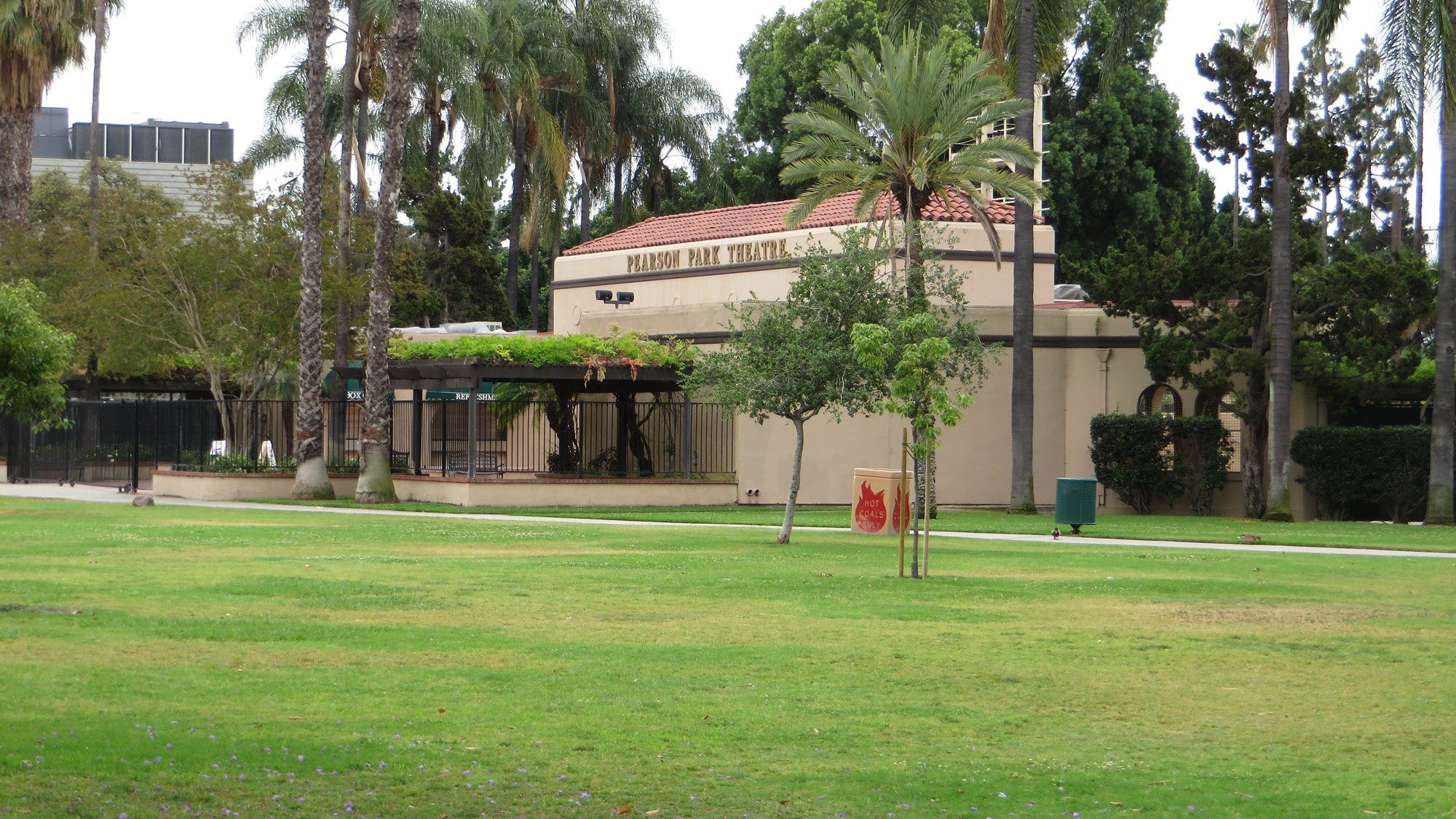
Pearson Park opened in 1927 as the first city park and has an outdoor amphitheatre. Founders' Park holds the Mother Colony House from 1857. Downtown has the Center Street Promenade, the Anaheim Packing House food hall in a former citrus packing building, the Central Library on Broadway and the Muzeo museum in the old Carnegie Library. Twila Reid Park and Boysen Park serve the west and central neighborhoods.
Getting around
The 5 runs diagonally through the city, the 91 crosses the north side and the 57 runs along the east side by the stadium. ARTIC, the Anaheim Regional Transportation Intermodal Center, is next to Honda Center and has Metrolink Orange County Line trains, Amtrak Pacific Surfliner trains and OCTA buses. Anaheim Canyon station, farther east, is on Metrolink's Inland Empire-Orange County Line.
Buying in Anaheim
Start with what kind of home you want, because the answer points to a different part of the city. In the historic districts, ask Tony what the city expects before exterior changes, and whether a home has a Mills Act contract. In the Platinum Triangle, expect an HOA, and ask Tony for the dues and rules up front. Tony is also a licensed mortgage loan originator (NMLS ID 2359276) and can go through what you may be able to borrow before you tour.
Selling in Anaheim
What matters most in a sale here depends on the block. A Colony bungalow is compared with other historic homes, and original details and any Mills Act contract belong in the listing. A 1950s tract home in West Anaheim is compared with its own tract. Tony is a REALTOR licensed in California since 2007 and works in Anaheim from his office at The Real Estate Solution in Cerritos.


